Commercial carpets rarely deteriorate evenly. Entrances, corridors, reception areas and routes between desks often begin to look dull long before quieter parts of the premises. These visible traffic lanes can affect the appearance of the entire workplace, even when the carpet is regularly vacuumed.
For businesses in Lewes, Sussex, understanding why these areas change is the first step towards choosing an effective cleaning and maintenance approach. Some deterioration is caused by removable soiling, while other changes result from physical wear to the carpet fibres.
Why Commercial Carpet Traffic Lanes Develop
High-traffic areas experience a combination of dirt, friction, pressure and repeated spillages. As these effects accumulate, the carpet can lose its even colour and texture.
Professional carpet cleaning can remove many forms of embedded contamination, but the carpet should first be assessed to distinguish soiling from permanent fibre damage.
Soil Is Carried in From Outside
Footwear brings fine grit, dust, moisture and other outdoor contamination into a building. Much of this material is deposited near entrances before being carried along the most frequently used routes.
Larger particles may be collected by vacuuming, but finer soil can settle between the carpet fibres. Repeated footsteps then drive it deeper into the pile, where it becomes more difficult to remove through routine surface cleaning.
This explains why entrances and connecting corridors often darken faster than surrounding areas.
Fine Grit Creates an Abrasive Effect
Embedded grit does more than alter the carpet’s colour. Under repeated foot pressure, hard particles rub against the fibres and contribute to gradual wear.
This abrasion may cause the pile to lose definition and reflect light differently. As a result, a section can continue looking dull even after loose dirt has been removed.
Frequent vacuuming and periodic professional cleaning help limit the amount of abrasive material retained within the carpet.
Repeated Foot Traffic Compresses the Pile
Carpet fibres are designed to recover after being walked on, but constant use can gradually flatten them. This is particularly noticeable along narrow routes where almost every person follows the same path.
Compressed fibres reflect light differently from the upright pile in less-used areas. The traffic lane may therefore appear darker or discoloured, even when the carpet contains no obvious stain.
Professional cleaning may improve pile lift where soil and residues are contributing to the flattening. However, cleaning cannot completely reverse permanent fibre distortion.
Oily Residues Attract Further Dirt
Contamination entering a commercial building is not always dry. Moisture, oils and residues from outdoor surfaces can transfer from footwear onto the carpet.
These substances can make the fibres slightly sticky, allowing fresh dust and soil to attach more easily. The affected area then becomes dirty again quickly, particularly if routine cleaning removes loose particles without addressing the residue.
Appropriate professional treatment can break down and extract this contamination rather than leaving it within the pile.
Spillages Accumulate in Busy Areas
Reception spaces, communal rooms and walkways may be exposed to drinks, food and other accidental spillages. Even when attended to quickly, traces can remain if the correct treatment is not used.
Repeated spot cleaning can also leave detergent residue behind. This may cause the treated section to attract new soil and develop a darker patch.
Professional cleaners assess individual marks before selecting a treatment, helping to avoid spreading the contamination or introducing unnecessary product into the carpet.
Incomplete Vacuuming Leaves Soil Behind
Commercial carpets require consistent vacuuming, especially in areas receiving heavy daily use. Quick passes may collect visible debris without removing particles held lower in the pile.
The condition of the vacuum cleaner, the speed of cleaning and the number of passes all influence the result. Edges, entrance zones and confined routes around furniture may also receive less attention than open areas.
A cleaning programme should reflect how each part of the premises is used rather than treating every section at the same frequency.
Damaged Fibres Can Look Like Remaining Dirt
Sometimes a traffic lane still appears dull after thorough cleaning because the fibres themselves have changed. Abrasion, compression and repeated use can alter their texture or surface.
This does not mean the cleaning has been ineffective. Once embedded soil is removed, the remaining difference may reveal wear that contamination previously concealed.
A professional assessment can help establish realistic expectations by identifying which areas are soiled and which have experienced permanent damage.
Irregular Cleaning Creates an Uneven Appearance
Waiting until traffic lanes become heavily marked can make it harder to maintain a consistent finish across the premises. The most-used sections may accumulate substantial contamination while quieter areas remain comparatively clean.
Planned professional cleaning can target busy routes before the contrast becomes severe. This approach also allows other carpeted areas to be cleaned at intervals appropriate to their level of use.
Useful signs that attention may be needed include:
- Dark pathways remaining after vacuuming
- Flattened pile around entrances and corridors
- Sticky or rapidly resoiling patches
- Dull colours in frequently used sections
- Persistent marks from food, drinks or footwear
- Noticeable differences when furniture is moved
How Professional Cleaning Can Help
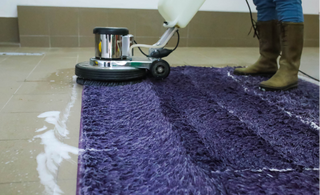
Professional commercial carpet cleaning combines careful assessment, suitable stain treatments and equipment designed to remove embedded soil. The cleaning method should be chosen according to the carpet’s fibres, construction and condition.
Particular attention can be given to entrances, corridors and other high-use areas without overlooking the surrounding carpet. This helps produce a more consistent appearance and supports an effective ongoing maintenance routine.
Conclusion
High-traffic areas in commercial carpets look worn and dull because of embedded soil, abrasive grit, oily residues, compressed fibres and repeated spillages. Regular vacuuming remains important, but it may not remove contamination that has settled deeper within the pile.
K&S Carpet Cleaning Lewes provides professional commercial carpet cleaning throughout Lewes, Sussex. If traffic lanes are affecting the appearance of your workplace, contact us to arrange an assessment and discuss an appropriate cleaning approach.
Call us on: 01273 092 698
Click here to find out more about K&S Carpet Cleaning Lewes
Click here to complete our contact form and see how we can help with your carpet needs.